
Audac CMX215/45 Pipe-Neck Condenser Microphone
Regular Price:৳0.00Availability: SKU: 6.57.617.9649
Quick Overview
-
Support
Saturday – Thursday: 09 AM - 06 PM. -
Payment
Cash on Delivery | Card | Online Payment -
Shipping Cost
Inside Dhaka 100tk | Outside Dhaka 150tk -
Warranty Policy
Read More
Description
Audac CMX215/45 Pipe-Neck Condenser Microphone in Bangladesh
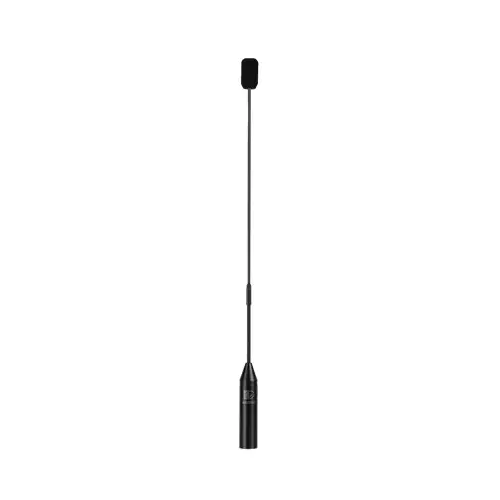
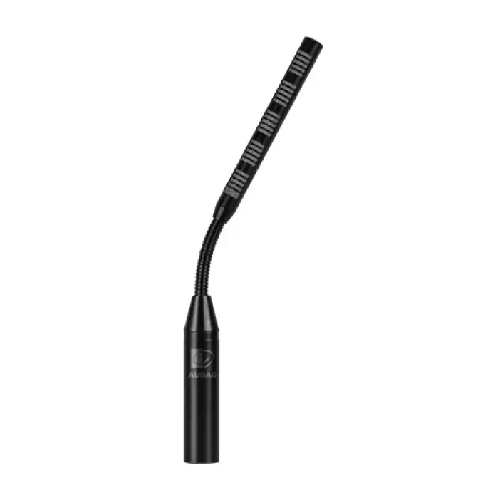
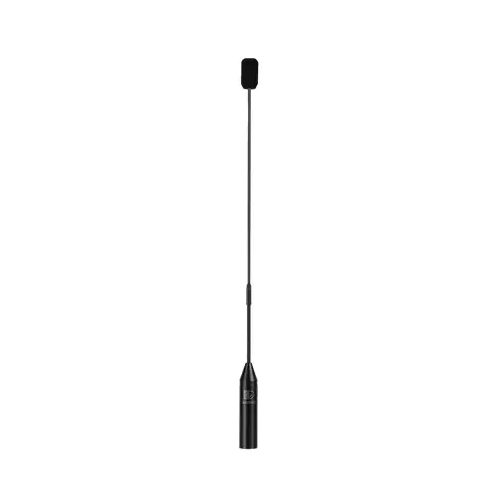
The Audac CMX215/45 is a black pipe-neck condenser microphone specified as a back electret condenser with a cardioid, unidirectional polar pattern. Its listed output is a 3-pin XLR connector, and its power requirement is 10–52 V DC phantom power. These details make it a possible choice for a fixed-position speech or audio setup when the connected equipment meets the microphone’s requirements. The supplied information does not describe it as a USB microphone, wireless system, recorder, mixer, loudspeaker or amplifier, so buyers should plan for the other components their system needs.
A pipe-neck form for planned placement: The dimensions supplied for the CMX215/45 are 19 × 538 mm, expressed as diameter by length. The specifications also list dimensions for other CMX215 versions: 19 × 388 mm for the CMX215/30 and 19 × 638 mm for the CMX215/55. These are different length variants in the same product family, not alternative measurements for the CMX215/45. Check the complete model suffix before ordering, especially if the microphone must fit a particular lectern, desk or mounting position.
The stated length can help when planning clearance and microphone position, but dimensions alone do not explain the mounting arrangement. The supplied information does not confirm whether the pipe neck bends, has an adjustable joint, or includes a particular connector or base. Do not assume that “pipe-neck” means the neck is flexible or that it can be mounted directly to any table or stand. If the installation depends on a particular angle, height or mounting interface, confirm those details before purchase.
Cardioid pickup: A cardioid, or unidirectional, pattern is generally used when a microphone is aimed toward a preferred sound source. As a broad description, this pattern is more sensitive toward the front than toward the sides and rear. It does not mean that sound from those other directions is completely removed. The supplied information does not include a polar-response graph, so the exact off-axis response of this model cannot be established from the pattern name alone.
For speech applications, microphone aim and distance still matter. A speaker who moves away from the microphone or speaks toward a different direction may sound less consistent, while room reflections and nearby noise can still reach the capsule. Positioning the microphone toward the intended speaker and making a short listening test can help reveal whether its placement suits the space. The cardioid specification is a useful planning detail, not a guarantee of noise cancellation or a substitute for good room acoustics.
The pipe-neck format may be useful when the microphone needs to sit in a defined position relative to a speaker. Possible applications include presentations, meetings, lectures or other speech setups where the person and microphone remain in an arranged position. Those are examples of potential use, not a claim that the microphone has automatic speech control or a built-in desk base. The actual setup depends on its mounting, the audio equipment connected to it and the way people use the room.
The listed frequency response is 50 Hz–18 kHz with a tolerance of ±3 dB. This is a helpful reference when comparing published specifications or considering a speech-capture setup. It does not, by itself, describe the microphone’s full tonal character or prove how it will sound in a particular room. No frequency-response graph, switchable filter or equalization control was supplied. Buyers who need a detailed response curve or specific voicing information should request it rather than infer it from the range alone.
Sensitivity notation requires confirmation: The supplied entry is labelled “Sensitivity (1W/1m)” and gives “−45 dB ± 3 dB / Pa (@ 1 kHz).” The wording appears to combine different reference notations, and the supplied information does not explain the measurement convention. This page preserves the value as provided rather than converting it or assuming a different unit. If sensitivity is important for comparing the CMX215/45 with another microphone or setting preamp gain, ask BME or the manufacturer to confirm the intended reference.
The listed impedance is 200 Ω with a tolerance of ±30%. This gives buyers one electrical specification to compare with the microphone input in their planned signal chain. Impedance alone does not confirm that every device is suitable: the type of input, gain range, phantom-power capability and any intermediate equipment also matter. Check the specifications of the mixer, preamplifier or other receiving equipment before connecting the microphone.
A signal-to-noise figure of 75 dB is supplied. This can be included in a technical comparison, but the provided information does not state the measurement method, weighting or conditions. As a result, it should not be used as a precise prediction of noise performance in every room or system. The mixer or preamp, cable, surrounding equipment and acoustic environment all contribute to the overall result. If the setup requires a particular noise measurement, request the supporting test information.
The maximum sound-pressure entry is listed as 130 dB. Its supplied field label includes “Max. W/1m,” but no measurement method or conditions are explained. Treat 130 dB as the published figure provided, not as a guarantee of distortion-free operation at that level in every situation. For louder sources, use sensible microphone placement and input gain, then make a test recording or listen through the system. Ask for clarification if the exact maximum-level measurement is critical to your application.
The CMX215/45 is specified for 10–52 V DC phantom power. Confirm that the intended mixer, preamplifier or other audio device can provide phantom power within this range. Do not assume that every XLR socket supplies phantom power simply because it has an XLR connector; check the device documentation and its input configuration. The supplied details do not mention battery operation or an alternative power source, so do not plan around one unless BME or Audac confirms it.
The specified output connector is 3-pin XLR. This helps identify the physical connection to plan for, but it does not confirm that a particular cable is included or describe the full electrical arrangement of every compatible input. Check the input requirements of any mixer, interface or other equipment in the chain. Where adapters or additional devices are needed, confirm that they support the microphone signal and phantom-power arrangement. A connector that fits physically is not, on its own, proof of full system compatibility.
An MWS200/B windscreen is listed as included. A windscreen may be useful for managing air movement around the microphone in suitable recording conditions, but the product information does not specify its performance or establish that it protects the microphone from rain or moisture. No whole-microphone IP rating or weather-resistance claim was supplied. Confirm the contents of the actual package with BME and use additional protection if the recording environment requires it.
Two accessories are listed as optional: the APM base and the CMA350 microphone shock mount. Their optional status means buyers should not assume either is included with the microphone. The supplied details do not describe the base’s controls, mounting interface or connection method, nor do they specify the shock mount’s fitment details. If either accessory is required for the planned installation, confirm compatibility, package contents and availability before ordering. This is particularly important for an installed setup where the microphone must attach to existing furniture or hardware.
A useful setup check begins with the audio chain. Confirm that the receiving equipment accepts a 3-pin XLR microphone connection, supplies suitable phantom power and has an appropriate input for the stated impedance. Then check the physical dimensions against the intended mounting position and decide whether an optional accessory is needed. Set the input gain carefully and test the microphone in the actual room. Listen for changes in level as the speaker moves, unwanted sound from the room and vibration or handling noise from the mounting surface.
For meeting or presentation use, consider how the speaker will stand or sit in relation to the microphone. A fixed-position microphone can be convenient when people know where to speak, but it may be less suitable when users move around or share the microphone unpredictably. The cardioid pattern makes orientation relevant, so the microphone should be positioned with its intended pickup direction in mind. No automatic muting, activation, status light or user control is listed in the supplied specifications.
The microphone’s listed weight is 0.070 kg. No further information clarifies whether this figure includes any accessory, and no mounting hardware dimensions are supplied beyond the microphone’s stated diameter and length. If weight, clearance or a particular attachment is important to an installation, confirm the complete physical details with BME before purchase. Likewise, the black colour identifies the supplied finish but does not establish any special surface or environmental protection.
The Audac CMX215/45 may suit buyers who want a pipe-neck condenser microphone with a cardioid pattern, a defined length and an XLR output for a compatible phantom-powered audio system. The supplied details provide useful planning points, but they do not answer every installation question. Confirm the sensitivity reference, accessory requirements, package contents and mounting method for your particular setup. Doing these checks first is more reliable than assuming that a product name or connector alone settles compatibility.
✅ Key Features
- Back Electret Condenser: Specifies the microphone’s transducer type for system planning.
- Cardioid Unidirectional Pattern: Provides a front-oriented pickup pattern to consider when positioning the microphone.
- 538 mm Length: The listed CMX215/45 dimensions are 19 × 538 mm (diameter × length).
- 50 Hz–18 kHz Response: Gives a published frequency range with a ±3 dB tolerance.
- 10–52 V Phantom Power: Defines the listed power range to check against the connected audio equipment.
- 3-Pin XLR Output: Makes the connector type clear for compatibility checks.
- 200 Ω Impedance: Supplies an impedance value for comparison with the intended microphone input.
- 75 dB Signal-to-Noise Figure: Provides a stated value; measurement conditions were not supplied.
- MWS200/B Windscreen Listed: The supplied product information lists this windscreen as included.
- Optional Mounting Accessories: The APM base and CMA350 microphone shock mount are listed as optional.
- Black Finish: Provides the specified colour for matching the intended installation.
✅ Usage / Applications
- Lecterns and Presentation Positions: Consider for a planned speech setup after confirming the base or mounting arrangement.
- Meeting Rooms: Use with compatible audio equipment when speakers can use a defined microphone position.
- Lecture Spaces: Consider for a presenter who speaks from a set location and can remain within suitable pickup range.
- Conference Tables: Evaluate where microphone placement and mounting requirements suit the room layout.
- Training Rooms: Plan for voice capture with a compatible mixer or preamplifier and suitable phantom power.
- Speech Reinforcement: Connect through a suitable microphone input; the microphone itself does not drive loudspeakers.
- Installed Audio Setups: Check the microphone’s length, mounting needs and accessory requirements before installation.
- Recorded Presentations: Use with an appropriate recorder or audio interface that accepts the mic’s connection and power needs.
- Other Fixed-Position Speech Uses: Test placement and room acoustics before relying on it for a specific application.
✅ Benefits of This Product?
- Defined Pickup Direction: The cardioid pattern helps inform where the microphone should face.
- Simpler Physical Planning: The stated 19 × 538 mm size helps check space and clearance for the CMX215/45.
- Clear Power Requirement: The listed phantom-power range makes it easier to check the audio system before ordering.
- Known Connector Type: The 3-pin XLR detail helps identify the connection to plan for.
- Useful Electrical Reference: The stated 200 Ω impedance supports equipment comparisons.
- Accessory Planning: The included windscreen and listed optional accessories clarify what to ask about.
- Model-Family Choice: The supplied dimensions distinguish the /45 from the listed /30 and /55 variants.
- More Informed Setup Decisions: The published response, signal-to-noise figure and maximum-level entry provide starting points for technical enquiries.
✅ Ideal For
The Audac CMX215/45 is ideal for buyers planning a pipe-neck microphone installation for speech, provided the setup can accommodate its 19 × 538 mm dimensions and its mounting requirements are confirmed. It may be considered for a lectern, meeting room, training space or presentation position where a speaker uses a defined microphone location. The cardioid pattern makes microphone orientation important, so it is best suited to an arrangement where placement can be controlled and tested.
It is also a fit for users whose mixer or preamplifier accepts a 3-pin XLR microphone connection and can provide 10–52 V DC phantom power. Buyers should check whether they need the optional APM base or CMA350 shock mount and confirm that the selected accessory suits their installation. The supplied sensitivity notation should be clarified before using it for technical comparisons. This microphone may be less suitable for users who need a confirmed USB connection, wireless operation, automatic muting or a specified flexible-neck mechanism; those features are not listed in the supplied information.
✅ Why Choose the Audac CMX215/45 Pipe-Neck Condenser Microphone?
The Audac CMX215/45 offers a clearly identified combination of pipe-neck format, back electret condenser type and cardioid polar pattern. For a planned speech installation, these details help you assess whether the microphone’s form and pickup direction fit the way speakers will use the space. Its listed 19 × 538 mm dimensions also give you a concrete length to check against a lectern, table or other intended mounting location.
The electrical specifications provide further points to review before purchase: 3-pin XLR output, 10–52 V DC phantom power and 200 Ω impedance with a stated ±30% tolerance. The published frequency response is 50 Hz–18 kHz (±3 dB), and the product information also lists a 75 dB signal-to-noise figure and a 130 dB maximum sound-pressure value. These figures are useful references, but the supplied information does not include all measurement conditions. In particular, the sensitivity entry combines a “1W/1m” field label with a value stated per Pa; clarify that reference if it matters to your comparison.
The accessory information also helps with planning: an MWS200/B windscreen is listed as included, while the APM base and CMA350 microphone shock mount are optional. The CMX215/45 is worth considering when its dimensions, directional pattern and connection requirements match your intended system. Confirm its mounting interface and the package contents before ordering, rather than assuming that a base, shock mount or cable is included.
✅ Why Buy This Product from BME?
For buyers in Bangladesh, BME is a place to enquire about the Audac CMX215/45 and confirm current purchase information. No current price, stock status or order terms were supplied for this page, so contact BME directly for a quote and details applicable to your purchase. Do not assume availability or a particular delivery, collection or installation arrangement without confirming it.
Use your enquiry to verify the exact model suffix and its 19 × 538 mm dimensions, particularly if your installation has a specific size requirement. You can also ask whether the MWS200/B windscreen is included with the unit being offered, and whether the optional APM base or CMA350 shock mount is available and suitable for your mounting plan. The sensitivity notation is another useful point to clarify if you are comparing microphones or planning input gain.
Before completing an order, confirm the applicable warranty, return and other commercial terms directly with BME. This helps you make a decision using the exact product and terms offered, rather than relying on assumptions about accessories, services or availability. For current details, enquire through BME’s website at https://bme.com.bd/.
✅ Buying Guide
- Confirm the Intended Use: Decide where the microphone will sit and how speakers will use it.
- Check the Dimensions: The CMX215/45 is listed as 19 × 538 mm (diameter × length); verify it fits the planned position.
- Match the Model Suffix: Do not confuse it with the listed 388 mm CMX215/30 or 638 mm CMX215/55.
- Check Phantom Power: Confirm the connected equipment can supply 10–52 V DC phantom power.
- Verify the Input: Make sure the audio chain accepts a 3-pin XLR microphone connection and check input compatibility.
- Plan Mounting and Accessories: Ask whether the optional APM base or CMA350 shock mount fits your setup; do not assume either is included.
- Clarify the Sensitivity Figure: Ask BME or Audac to explain the “−45 dB ±3 dB / Pa (@ 1 kHz)” value and its “1W/1m” field label.
- Avoid Unlisted-Feature Assumptions: Confirm any required controls, flexible-neck movement, cable or base rather than assuming they are part of the product.
- Confirm Purchase Terms: Ask BME for the current price and the terms applicable to your order.
✅ Customers Ask About / Frequently Asked Questions
Q: What is the current Audac CMX215/45 price in Bangladesh?
A: Contact BME for the current quote and purchase terms; no verified price is stated here.
Q: What type of microphone is the CMX215/45?
A: It is specified as a back electret condenser pipe-neck microphone.
Q: What is its polar pattern?
A: The supplied specification identifies a cardioid, unidirectional pattern.
Q: What are the dimensions of the CMX215/45?
A: The listed dimensions are 19 × 538 mm (diameter × length).
Q: What does the “/45” model suffix mean?
A: The supplied dimension table lists the CMX215/45 at 538 mm long, alongside different lengths for the CMX215/30 and CMX215/55. Confirm the exact model before ordering.
Q: Does it need phantom power?
A: Yes. The supplied specification lists 10–52 V DC phantom power. Check that the connected audio equipment can provide it.
Q: What connector does it use?
A: The specified output connector is 3-pin XLR.
Q: What is included in the package?
A: An MWS200/B windscreen is listed as included. Confirm the actual package contents with BME.
Q: Are the APM base and CMA350 shock mount included?
A: They are listed as optional accessories. Ask BME about availability and compatibility if you need either one.
Q: What is the microphone’s frequency response?
A: It is listed as 50 Hz–18 kHz with a ±3 dB tolerance.
Q: How should I interpret the sensitivity specification?
A: It is supplied as “−45 dB ±3 dB / Pa (@ 1 kHz)” under a “1W/1m” field label. Ask for clarification before using it in a technical comparison.
Q: Can I use it with any XLR input?
A: Not necessarily. Check that the input is suitable for a microphone, supports the required phantom power and matches your intended signal chain.
✅ Why Buy This Product
Consider the Audac CMX215/45 if you need a pipe-neck condenser microphone with a cardioid pattern for a planned speech setup. Its specified 538 mm length, 3-pin XLR output and 10–52 V phantom-power range help you check physical and electrical compatibility before ordering. The included windscreen and listed optional mounting accessories also give you specific package and installation questions to resolve.
The microphone’s fit depends on your room, mounting arrangement and connected audio equipment. Confirm the exact model suffix, the suitability of your input and phantom-power supply, and whether the optional accessories are needed. Clarify the sensitivity reference if you are comparing it with other products. For current price and purchase terms in Bangladesh, contact BME directly. If the confirmed specifications match your installation plan, enquire about the Audac CMX215/45 through BME.
What is the price of Audac CMX215/45 Pipe-Neck Condenser Microphone in Bangladesh?
Write a review
Question Answer
Have question about this product? Get specific details about this product from expert.

Benq DVY23 PTZ Web Video Conference Camera
Logitech Meetup Video Conference Camera