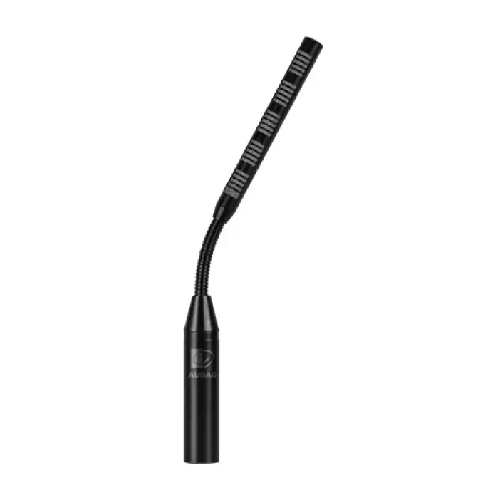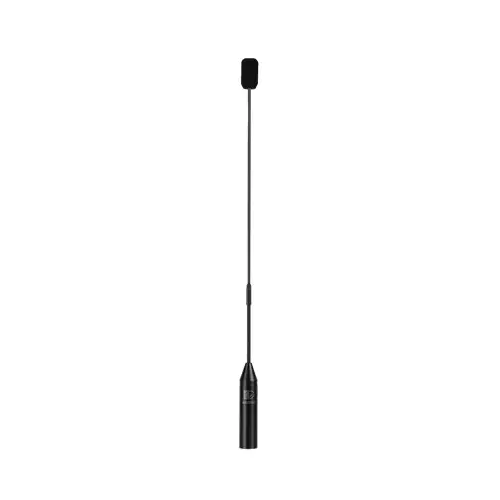

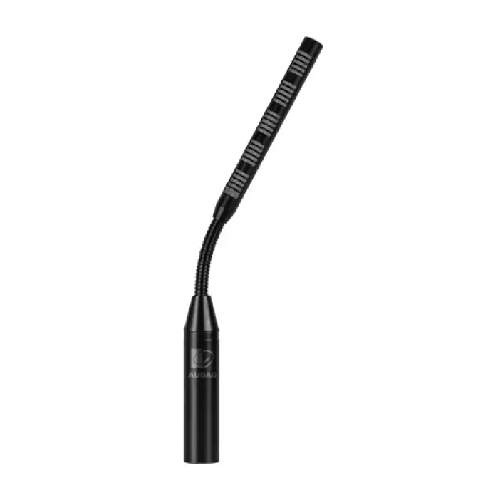
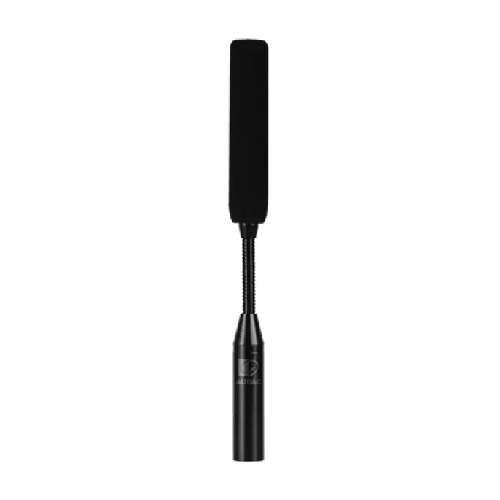
Audac CMX230 Shotgun Condenser Microphone
Regular Price:৳0.00Availability: SKU: 6.57.617.9648
Quick Overview
-
Support
Saturday – Thursday: 09 AM - 06 PM. -
Payment
Cash on Delivery | Card | Online Payment -
Shipping Cost
Inside Dhaka 100tk | Outside Dhaka 150tk -
Warranty Policy
Read More
Description
Audac CMX230 Shotgun Condenser Microphone in Bangladesh
The Audac CMX230 is a black shotgun condenser microphone intended for directional voice and sound capture in an audio setup that accepts a 3-pin XLR microphone connection. Its transducer type is specified as back electret condenser, and its polar pattern is supercardioid. These details make it a focused option for users who can aim the microphone toward a chosen sound source, rather than relying on an all-around pickup from a central position. Actual results depend on distance, angle, room reflections and gain settings, so it should be considered as part of the complete audio chain.
A supercardioid pattern is generally chosen when the sound source is in front of the microphone and the user wants to limit the pickup of some sounds arriving from other directions. It does not remove all room noise or guarantee that only the intended speaker will be heard. The exact pickup characteristics of the CMX230 cannot be judged from the polar-pattern name alone; no polar-response graph or off-axis measurements were supplied. Careful aiming and sensible placement remain important, especially when there are other people or noise sources nearby.
That directional approach can suit dialogue, speech and other sources that can be positioned in front of the microphone. For an interview, for example, the operator can orient the microphone toward the person speaking and adjust its position to balance voice level with the sound of the surrounding room. The microphone should not be placed or aimed by name alone: the distance, angle, room acoustics and movement of the speaker all affect the recorded result. A short test recording can help identify handling noise, room reflections or inconsistent voice levels before a longer session begins.
Video and location-recording workflows may also be appropriate when their audio equipment supports the CMX230’s connection and power requirements. The supplied output connector is 3-pin XLR, so the microphone needs an audio input or intermediate device designed to accept an XLR microphone signal. A camera, recorder or computer should not be assumed to connect directly; a compatible mixer, preamplifier or audio interface may be needed in the signal chain. Check the equipment’s inputs, phantom-power provision and any required cabling before planning a recording setup.
The CMX230 may also be considered for speech at a lecture, presentation, rehearsal or small production when an operator can position and aim the microphone appropriately. In a sound-reinforcement system, it should feed a compatible microphone input on a mixer or other suitable audio device; it is not a speaker or amplifier. Whether it is appropriate for a particular room depends on the layout, the position of loudspeakers, the desired working distance and how much control the operator has over microphone placement. Those system details matter as much as the microphone’s model name.
Its back electret condenser construction is a key part of the product specification. Condenser microphones are often selected for applications where detailed sound capture is desired, but the transducer type alone does not establish the recorded quality, noise level or suitability for every voice. No self-noise, signal-to-noise ratio, switch settings or frequency-response graph was supplied for this listing. Buyers who need to compare the CMX230 with another microphone for a particularly quiet or demanding recording should request any additional measurement data they need before making that comparison.
The microphone is specified for 10–52 V DC phantom power. Before connecting it, check that the mixer, preamplifier or other audio device can provide phantom power within that stated range. Phantom-power availability and switching arrangements differ between devices, so do not assume that every XLR input can supply it. It is also useful to check the equipment manual for the correct procedure for connecting or disconnecting a powered microphone. This helps avoid choosing an input that lacks the required power or relying on an unsupported powering method.
The listed connector is a 3-pin XLR output. That gives buyers a clear starting point for checking physical connection compatibility, but the connector description alone does not confirm the cable supplied, a particular pin assignment, or the type of input electronics required by every connected device. Review the specifications of the microphone input and any intervening equipment. If the audio chain includes adapters or a camera input, confirm that they support the microphone signal and phantom-power arrangement rather than assuming that a matching connector means complete compatibility.
The stated frequency response is 50 Hz–18 kHz with a tolerance of ±3 dB. This figure provides a useful reference for comparing the published response range with the intended recording task. It should not be interpreted as a full description of tonal character: no response curve, measurement conditions or switchable filtering details were supplied. Buyers should also avoid assuming the microphone has a low-cut filter, equalizer or other processing feature unless such a control is confirmed separately. The product’s listed response is the specification available for this page.
One supplied specification needs clarification before it is used for technical comparison. The sensitivity field is written as “42 dB ±3 dB” and includes the reference “1W/1m.” That notation is unusual for a microphone-sensitivity entry, and the supplied information does not state the sign or measurement convention. It should therefore be treated as an item to verify with BME or the manufacturer—not converted into another unit, interpreted as a negative value, or used to rank the CMX230 against other microphones without confirmation.
The listed impedance is 250 Ω with a stated tolerance of ±30%. This figure can help a buyer compare the microphone’s specified impedance with the microphone inputs in the intended system. However, a single impedance value does not tell the whole story of system compatibility. Input type, gain range, phantom power and any intermediate devices should also be checked. If the microphone will be connected through a mixer, interface, camera preamp or other equipment, consult that device’s documentation or request confirmation of suitable input matching.
The maximum sound-pressure figure supplied for the CMX230 is 130 dB. This can be a useful reference when considering louder sources, but the supplied data does not explain its test conditions or define the point at which distortion or other changes become significant. It should not be read as a promise of distortion-free sound in every situation at that level. For a high-volume source, place the microphone appropriately, check the gain settings and make a test recording. If the application depends on a particular maximum-SPL measurement method, ask for the measurement conditions.
An MWS220/B windscreen is listed as included. A windscreen can help manage air movement and plosive effects around a microphone, which may be useful when recording speech. Its inclusion does not establish that the microphone is weatherproof, rain-resistant or suitable for exposed outdoor use. No whole-microphone IP rating or environmental protection specification was supplied. For recording outside, protect the equipment from moisture and check whether additional suitable wind protection is required for the specific conditions.
An APM base is listed as an optional accessory. It is not described as included with the microphone, and the supplied information does not explain its attachment method or the exact mounting arrangement it provides. If the planned installation depends on this base, confirm its compatibility, purpose and availability before ordering. The product information also does not specify a thread size, stand adapter, shock mount or boom arm. Avoid selecting mounting hardware from assumptions about the product name; check the required fitting and included package contents.
The stated weight is 0.09 kg, or 90 g. This is useful when planning a setup where the microphone’s weight matters, but no dimensions or information about a supplied mount were provided. The black finish may suit a range of recording environments, but visual appearance should be considered separately from practical requirements such as positioning, cable routing and support. Confirm the physical arrangement needed for the intended installation, particularly if the microphone will be used on a boom, stand or camera-related audio rig.
A practical setup begins with the sound source and the audio chain, not just the microphone. Identify where the speaker or other source will be, check that the mic can be aimed suitably, and confirm that the connected input accepts a 3-pin XLR microphone signal and supplies compatible phantom power. Then set the input gain conservatively and record a short test. Listen for room reflections, handling noise, unwanted sounds and changes in voice level as the speaker moves. Adjust placement before relying on higher gain to solve a positioning problem.
Overall, the Audac CMX230 is best considered by buyers who need a directional, phantom-powered condenser microphone and have an audio system that meets its listed connection and power requirements. Its supercardioid pattern, stated response range, 250 Ω impedance, 130 dB maximum sound-pressure figure and included windscreen provide several useful starting points for planning. The available information does not establish every operational detail, accessory or measurement convention, so confirm the sensitivity entry, mounting needs and package contents with BME before purchase. Doing so helps ensure the microphone suits the actual recording or sound-reinforcement setup.
✅ Key Features
- Supercardioid Polar Pattern: Supports directional placement toward a source when the microphone is aimed carefully.
- Shotgun Microphone Type: Suits setups that need a microphone intended for focused, source-directed capture.
- Back Electret Condenser: Provides the specified condenser transducer type for compatible audio systems.
- 50 Hz–18 kHz Frequency Response: Offers a stated response range with a ±3 dB tolerance.
- 10–52 V DC Phantom Power: Defines the listed phantom-power range to check against the connected equipment.
- 3-Pin XLR Output: Provides a clearly specified connector type for audio-chain compatibility checks.
- 250 Ω Impedance: Gives buyers a stated impedance value to compare with connected microphone inputs.
- 130 dB Maximum Sound Pressure: Provides a published maximum-level figure, with test conditions to be confirmed if critical.
- Included MWS220/B Windscreen: Adds the listed windscreen for the supplied microphone package.
- Lightweight Listed Build: The microphone weight is specified as 0.09 kg.
- Optional APM Base: Offers an accessory option to investigate when planning a compatible mounting arrangement.
✅ Usage / Applications
- Dialogue Recording: Aim the microphone toward a speaker in a recording setup with compatible XLR input and phantom power.
- Interviews: Use in a controlled interview arrangement where the operator can manage distance, angle and room noise.
- Video Production Audio: Connect through suitable XLR audio equipment; confirm whether an interface or preamp is needed.
- Lectures and Training: Consider for capturing a presenter when microphone placement and the room’s audio setup are controlled.
- Presentations: Use with a compatible mixer or audio system, with suitable support and positioning.
- Voice Recording: Evaluate for spoken-word recording after checking the input, phantom power and room acoustics.
- Rehearsals and Productions: Consider for source-directed capture where an operator can aim and monitor the microphone.
- Location Recording: Use only with an appropriate, compatible audio chain and protection suited to the recording environment.
- Sound Reinforcement: Connect to a suitable microphone input on a mixer or preamplifier; the microphone does not power loudspeakers.
- Instrument Capture: Test placement and input levels against the source; confirm that the application suits the available specifications.
✅ Benefits of This Product?
- More Deliberate Microphone Placement: The supercardioid pattern gives the operator a reason to consider source direction and mic aim.
- Clearer Equipment Planning: Specified XLR output and phantom-power range make key connection checks easier.
- Directional Recording Option: Offers an alternative to an omnidirectional microphone when a focused pickup approach is preferred.
- Useful Response Reference: The stated 50 Hz–18 kHz range helps buyers assess whether the listed response suits their intended use.
- Defined Impedance Figure: The 250 Ω specification supports comparison with the planned audio input.
- Listed Maximum-Level Figure: The 130 dB maximum sound-pressure entry provides a reference for evaluating louder sources.
- Included Windscreen: The listed MWS220/B accessory can help with wind and plosive effects in appropriate use.
- Light Listed Weight: At 0.09 kg, the stated microphone weight is easy to include in equipment planning.
- Accessory Planning Choice: The optional APM base can be checked if a compatible mounting solution is required.
✅ Ideal For
The Audac CMX230 is ideal for buyers who need a source-directed shotgun microphone and already have, or are planning, an audio chain with a compatible 3-pin XLR microphone input and phantom power between 10 and 52 V DC. It may suit video creators, interview operators, trainers, lecturers and audio technicians who can control microphone position and test the sound in the intended room. Its supercardioid pattern is a reason to plan the microphone’s aim; it should not be treated as automatic isolation from background noise. Buyers should also consider whether they need a separate preamplifier or interface, suitable mounting hardware, or an optional APM base. The CMX230 is a less suitable choice for someone expecting a direct USB connection, wireless operation or built-in recording based only on the product name. Those functions are not listed in the supplied specifications. Anyone comparing microphone sensitivity should first request clarification of the supplied “42 dB ±3 dB (1W/1m)” entry.
✅ Why Choose the Audac CMX230 Shotgun Condenser Microphone?
The CMX230 may be a good match when your recording plan calls for a shotgun condenser microphone with a supercardioid pattern. These specifications help distinguish it from a general-purpose room microphone and encourage a more deliberate approach to aiming and placement. The back electret condenser type, stated frequency response of 50 Hz–18 kHz (±3 dB), 250 Ω impedance and 3-pin XLR output give you several concrete details to compare with your current audio equipment.
Its phantom-power requirement is clearly stated as 10–52 V DC. That makes it possible to check a mixer, preamplifier or other device against the listed operating range before buying. The 130 dB maximum sound-pressure figure and 0.09 kg microphone weight may also be useful when planning for a particular source or installation. An MWS220/B windscreen is listed as included, while an APM base is listed as optional; confirming the package contents and any mounting requirements can help prevent assumptions about what arrives with the microphone.
The most important reason to choose this model is a match between its directional design and your actual setup—not the expectation that a shotgun microphone will solve every acoustic problem. The CMX230 still needs suitable positioning, compatible power, an appropriate XLR input and sensible gain adjustment. Its sensitivity notation should be confirmed before using that figure in a technical comparison. If those checks suit your use case, the CMX230 offers a clearly identified set of core specifications for planning a voice or sound-capture system.
✅ Why Buy This Product from BME?
For buyers in Bangladesh, BME can be a point of enquiry for the Audac CMX230 and its current purchase details. Since no current price or availability information is confirmed in this product copy, contact BME directly to check the latest quote and the terms that apply to your order. Confirm any delivery or collection arrangements with BME rather than assuming they are available.
Before ordering, it is sensible to confirm the exact model, the contents of the package and whether the listed MWS220/B windscreen is included with the unit being offered. The APM base is specified as optional, so ask separately if your installation depends on it. You can also check the key compatibility points with BME: 3-pin XLR connection, 10–52 V DC phantom power and the stated impedance. Ask for clarification of the unusual sensitivity entry if that value matters to your purchasing decision.
Warranty, return, stock and other commercial terms should be confirmed directly with BME at the time of purchase, as no specific terms have been supplied for this page. Making these checks helps you compare the product against your own audio equipment and purchase requirements. It also reduces the chance of ordering on the assumption that unlisted cables, mounts or additional accessories are included.
✅ Buying Guide
- Define the Recording Task: Decide whether you need the microphone for speech, interviews, video or another source, and consider how much control you have over placement.
- Check Phantom Power: Confirm that the connected equipment can supply 10–52 V DC phantom power.
- Match the Input: Verify that your mixer, preamp, interface or other device accepts the microphone’s 3-pin XLR output.
- Clarify Sensitivity: Ask BME or the manufacturer to confirm the meaning and reference for “42 dB ±3 dB (1W/1m)” before comparing sensitivity.
- Plan the Mounting: Check the microphone’s fitting and required support; the APM base is listed as optional, not as a confirmed included item.
- Confirm Package Contents: The MWS220/B windscreen is listed as included, but confirm the contents of the specific package offered.
- Assess the Environment: Do not treat the windscreen as weather protection; no whole-microphone IP rating was supplied.
- Verify Order Terms: Contact BME for current price, availability, warranty or return terms, and any delivery or collection arrangements.
✅ Customers Ask About / Frequently Asked Questions
Q: What is the current Audac CMX230 price in Bangladesh?
A: Contact BME for the current price and purchase terms. No verified price is stated here.
Q: What type of microphone is the CMX230?
A: It is specified as a back electret condenser shotgun microphone.
Q: What is its polar pattern?
A: The supplied specification identifies it as supercardioid. Placement and room acoustics still affect the recorded sound.
Q: Does the CMX230 require phantom power?
A: The supplied specifications list 10–52 V DC phantom power. Confirm that your audio equipment can provide power within this range.
Q: What connector does it use?
A: Its listed output connector is 3-pin XLR. Confirm that your audio device has a compatible microphone input.
Q: What is the listed frequency response?
A: The response is specified as 50 Hz–18 kHz (±3 dB).
Q: What does the sensitivity specification mean?
A: It is supplied as “42 dB ±3 dB” with a “1W/1m” reference. Because the convention and sign are unclear, ask BME or the manufacturer to clarify it before using it for comparisons.
Q: Is the MWS220/B windscreen included?
A: It is listed as an included accessory. Confirm the package contents with BME before ordering.
Q: Is the APM base included?
A: No. It is listed as optional, so confirm its availability and compatibility separately if you need it.
Q: Can I use it outdoors?
A: No whole-microphone IP rating or weather-resistance specification was supplied. Do not assume that the windscreen makes the microphone weatherproof.
Q: What equipment do I need to use it?
A: At minimum, check for a suitable 3-pin XLR microphone input and compatible phantom power. Additional equipment or mounting hardware may depend on your setup.
Q: Can I check delivery or warranty details for Bangladesh?
A: Ask BME to confirm the current availability and any applicable delivery, warranty or return terms for your order.
✅ Why Buy This Product
Choose the Audac CMX230 if your setup calls for a shotgun condenser microphone with a supercardioid pattern, 3-pin XLR output and 10–52 V DC phantom-power requirement. Its listed response range, impedance, maximum sound-pressure figure, lightweight specification and included windscreen provide useful details for planning a compatible audio chain. It may suit a buyer who can position the microphone carefully and who understands that directional pickup still depends on the room, the source and the operator.
Before ordering, confirm that your equipment meets the power and connection requirements, check which accessories are included, and ask for clarification of the sensitivity notation if you plan to compare it technically with other microphones. For current price and order terms in Bangladesh, contact BME and confirm the details for your specific purchase. If the specifications fit your recording needs, enquire about the Audac CMX230 through BME.
What is the price of Audac CMX230 Shotgun Condenser Microphone in Bangladesh?
Write a review
Question Answer
Have question about this product? Get specific details about this product from expert.

Benq DVY23 PTZ Web Video Conference Camera


Logitech Meetup Video Conference Camera